
October Birthstone Jewelry: Opal vs. Tourmaline for Handmade Jewelry
October has two beautiful birthstones: opal and tourmaline. Both offer plenty of color and personality, but they differ in hardness, durability, care, and the types of jewelry designs they suit. For handmade jewelry, understanding these differences can help makers choose a stone that fits both the look they want and how they plan to wear the finished piece.
Whether you are drawn to opal’s shifting flashes of color or tourmaline’s wide range of hues, both stones offer interesting possibilities for jewelry making.
Opal and Tourmaline Offer Very Different Looks
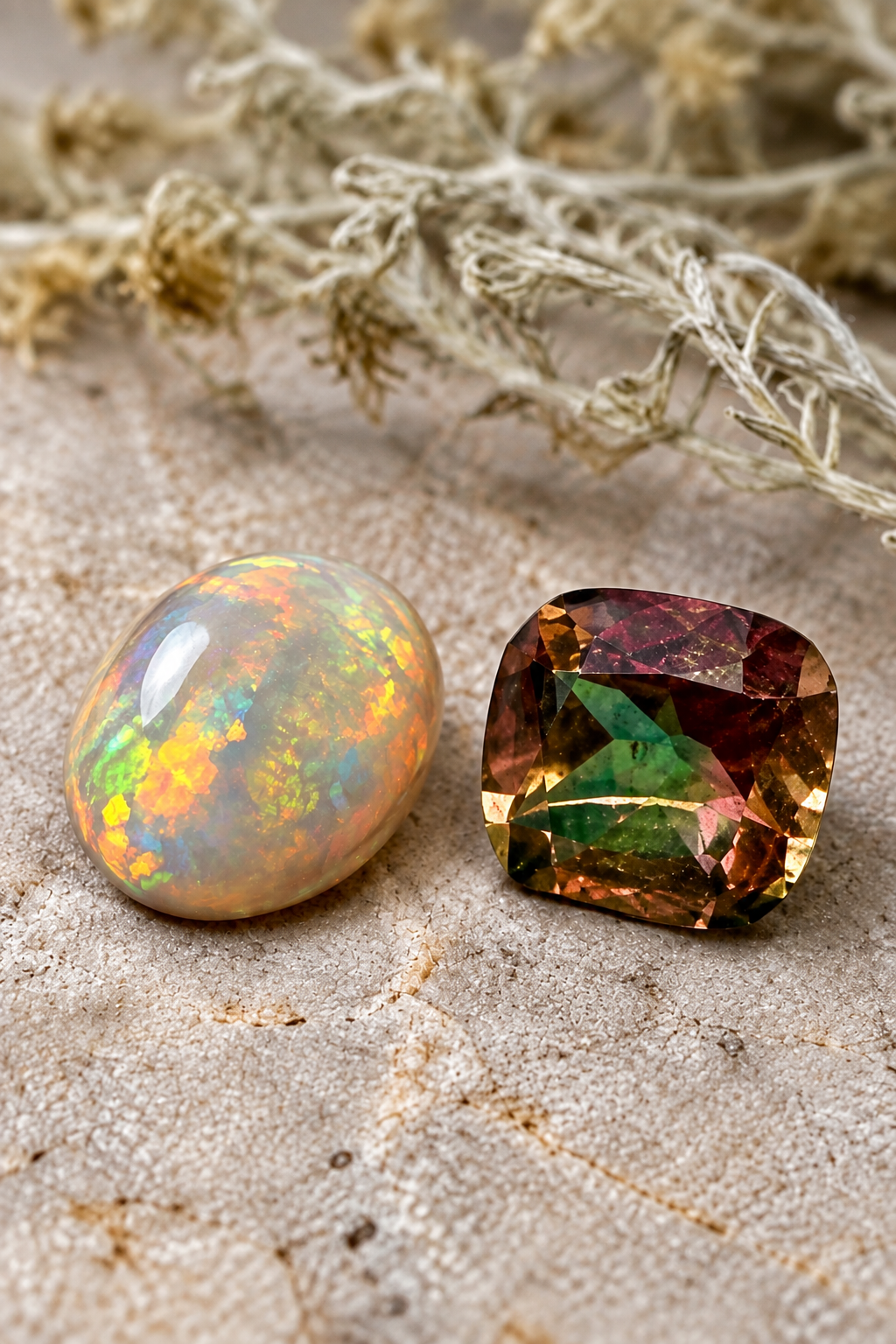
Opal is known for its distinctive play-of-color, which can produce flashes of multiple colors as the stone moves in the light. Its body color can vary as well, and opals can range from light and translucent-looking to darker varieties.
Tourmaline is known for one of the widest color ranges found in gemstones. It can occur in pink, red, green, blue, yellow, and other colors, and some crystals contain more than one color.
That difference can have a big influence on a jewelry design. Opal often becomes the visual focus because of its changing flashes of color, while tourmaline gives makers the opportunity to choose a particular color or combination of colors.
Hardness and Everyday Durability
When choosing a gemstone for jewelry, color is only part of the decision. Hardness and toughness also matter, especially when the stone will be worn regularly.
Opal ranges from 5 to 6.5 on the Mohs scale of hardness. The Gemological Institute of America describes its toughness as poor to fair, meaning opal can be used in jewelry but requires care to help prevent scratching or breakage.
Tourmaline is harder, measuring 7 to 7.5 on the Mohs scale, and is generally considered suitable for everyday wear. Its toughness is rated fair.
The Mohs scale measures a material's resistance to scratching, so hardness is not the same thing as overall durability. The design of the jewelry, the stone's individual characteristics, and how the piece is worn all matter.
For a ring that will be exposed to frequent bumps and contact with other objects, these differences are worth considering. A more delicate gemstone may benefit from a design that provides additional protection.
Moisture and Heat Considerations
Opal deserves particular attention when it comes to heat and temperature changes. GIA notes that high heat and sudden temperature changes can cause opal to fracture or develop crazing, or fine cracks.
Some opals are also made as doublets or triplets, which use layers of material joined together with an adhesive. Prolonged exposure to water can weaken the adhesive in these assembled opals.
Tourmaline is generally stable to light and chemicals, but heat can still be damaging. High heat can alter its color, while sudden temperature changes can cause fracturing.
These considerations are especially important during jewelry making. Gemstones should be handled according to their individual properties, and heat-sensitive stones require appropriate care during fabrication and finishing.
Choosing a Setting for Opal or Tourmaline
The gemstone is only one part of a piece of handmade jewelry. The setting also plays an important role in how the finished piece looks and how well the stone is protected.
For opal, a setting that provides appropriate protection can be an important consideration because of its lower hardness and toughness. The shape and type of opal also matter when deciding how it should be incorporated into a piece.
Tourmaline offers more flexibility for everyday jewelry because of its higher hardness, while its broad range of colors gives makers many design possibilities.
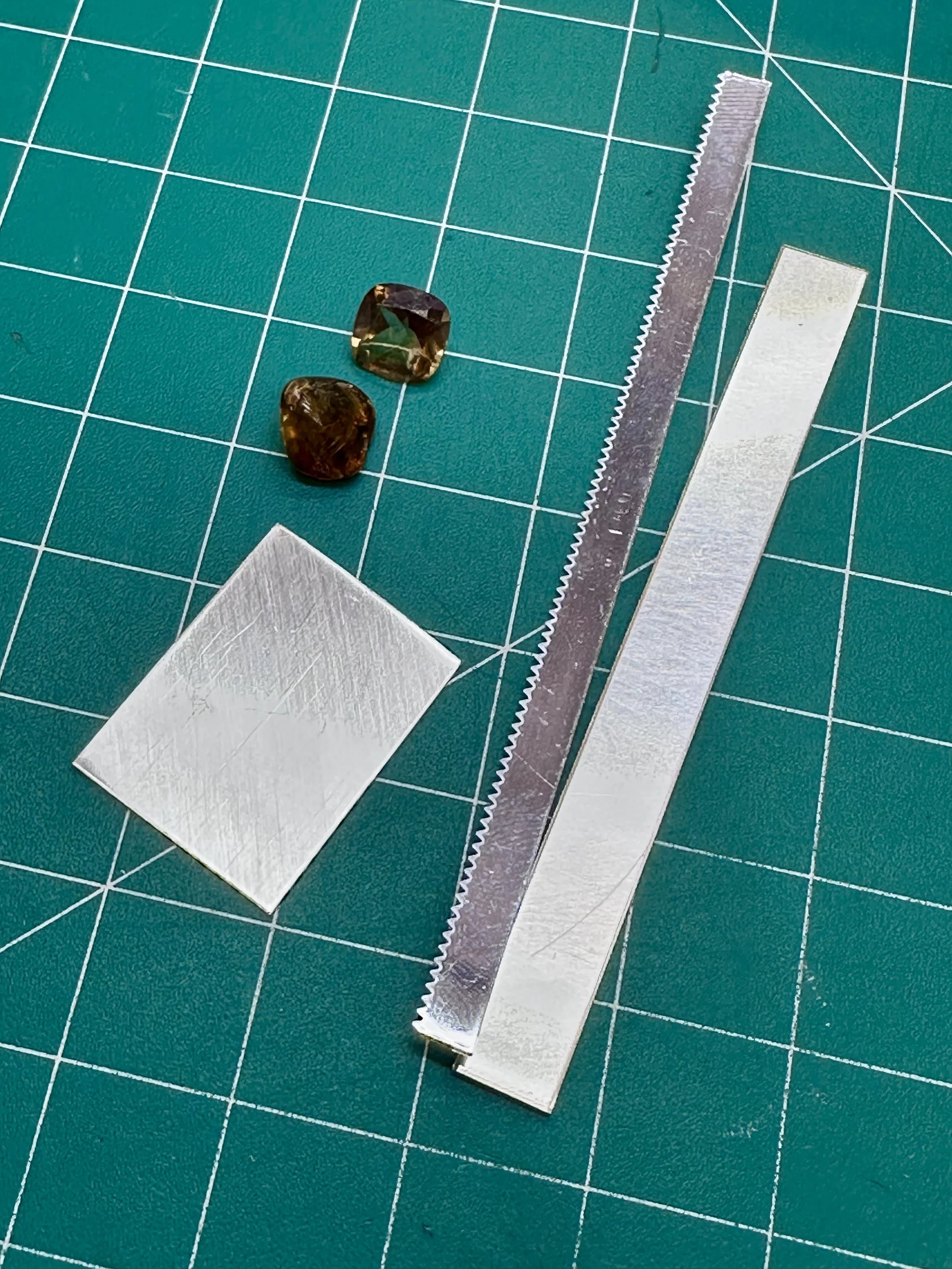
A stone-setting project also gives students an opportunity to see how the metal and gemstone work together. At Meltdown Studio, students learn hands-on techniques such as bezel making and stone setting in classes where gemstones become part of the finished design. Recent Meltdown classes have included students selecting stones and creating individual pieces around their choices.
Which Designs Suit Opal?
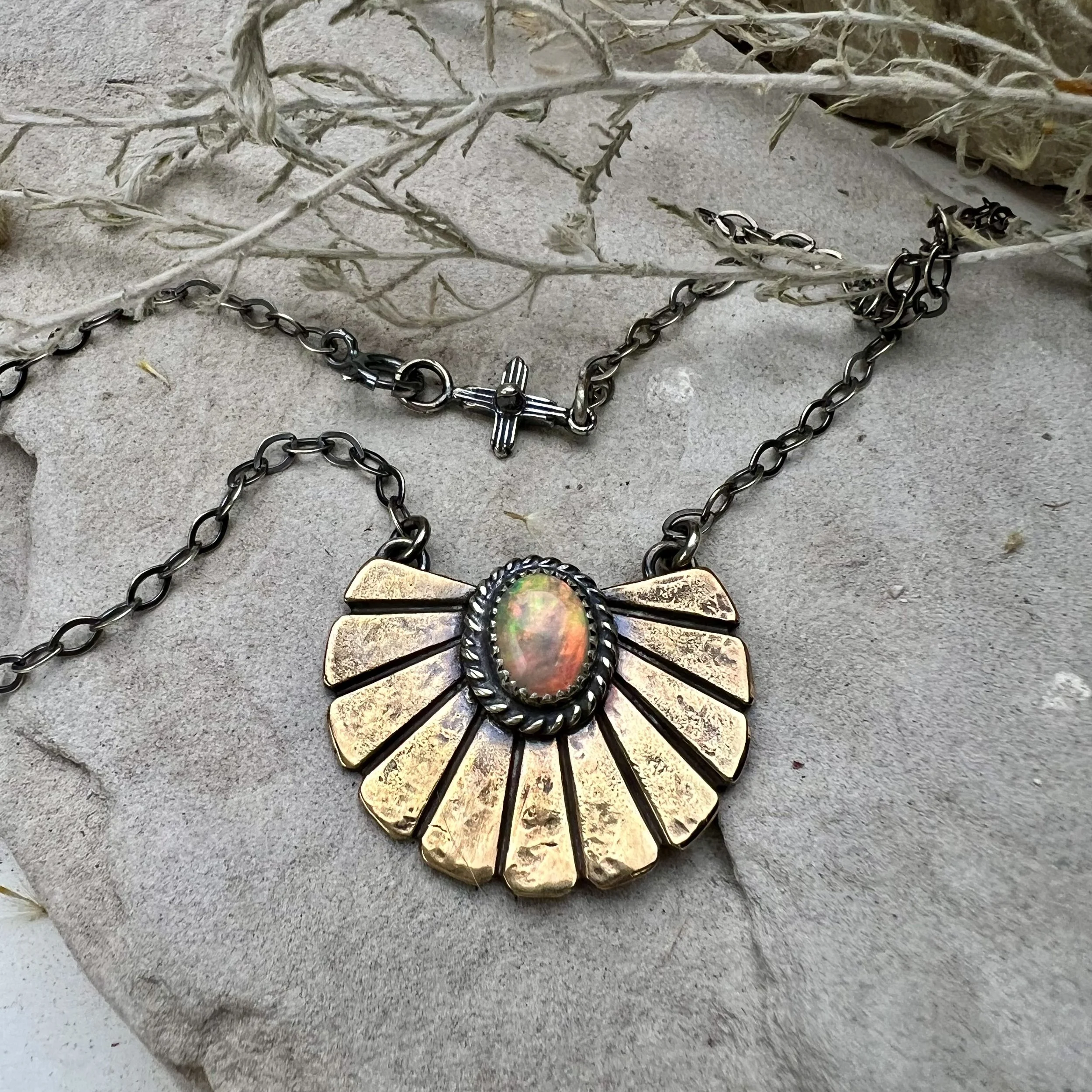
Opal can be a beautiful choice when the gemstone itself is intended to be the focal point of a design. Its play-of-color can create visual interest without requiring a complicated surrounding design.
Opal can work particularly well in:
Pendants where the stone can be displayed prominently
Earrings that allow the gemstone to catch the light
Statement pieces centered around the stone
Protective settings designed with the stone's durability in mind
Because opal requires more care than harder gemstones, the intended use of the finished jewelry should be considered when choosing a design.
Which Designs Suit Tourmaline?
Tourmaline's wide color range makes it particularly versatile for handmade jewelry. A maker can choose a gemstone based on color, shape, size, and the overall look they want to create.
Tourmaline can be used in:
Rings designed for regular wear
Colorful statement jewelry
Pendants and earrings
Designs featuring a single strong color
Jewelry incorporating multiple gemstone colors
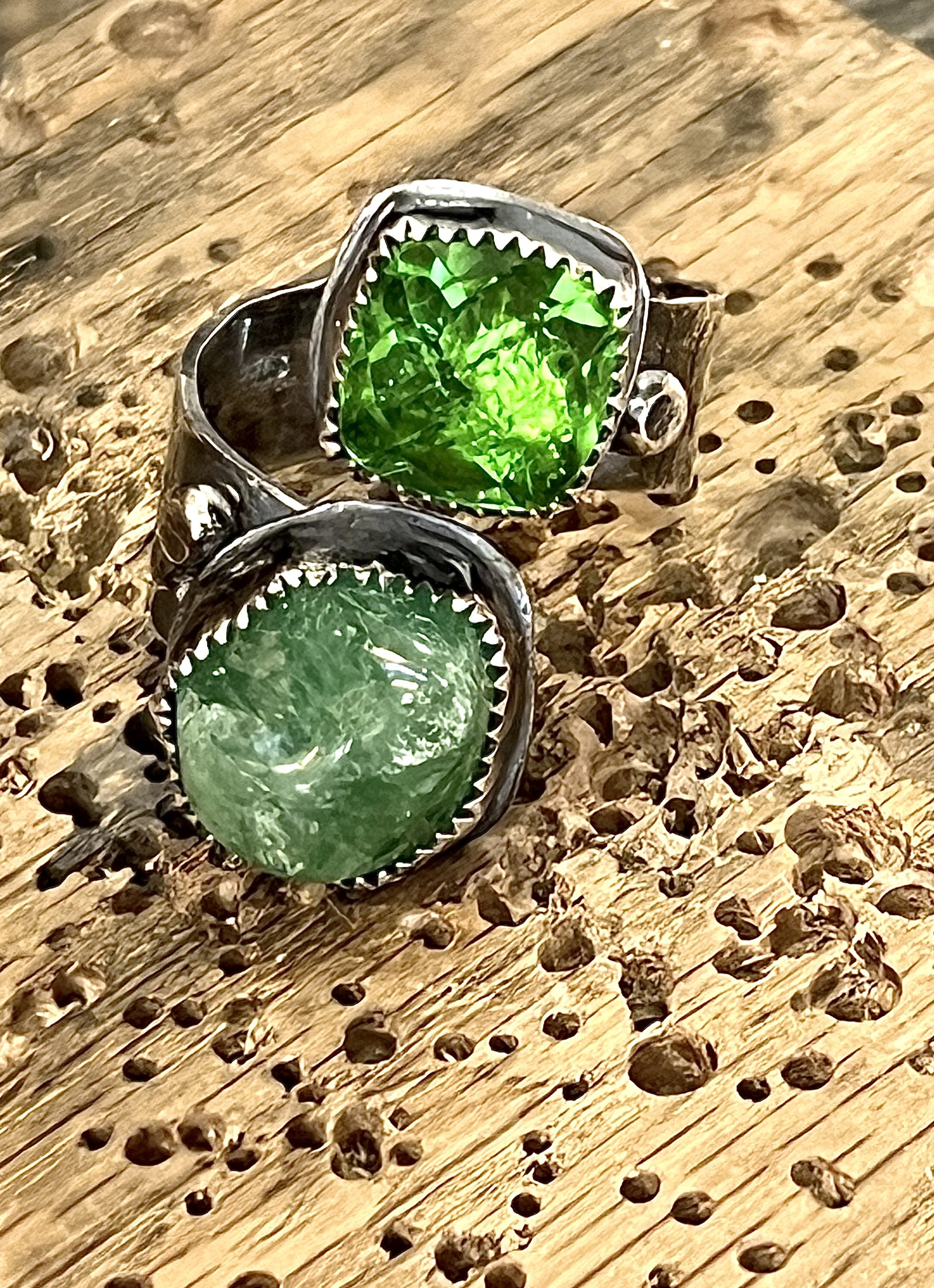
The tourmaline rings made at Meltdown Studio are a good example of how gemstone color can influence the finished piece. Different stones can give a similar setting an entirely different appearance.
Caring for October Birthstone Jewelry
Both opal and tourmaline benefit from thoughtful care, but opal requires particular attention.
For opal, GIA recommends warm, soapy water as the safe cleaning method. Avoid high heat and sudden temperature changes, and store opal separately from harder gemstones that could scratch it.
Tourmaline can also be cleaned with warm, soapy water and a soft brush. GIA does not recommend ultrasonic or steam cleaning for tourmaline, and high heat should be avoided.
For either gemstone, following care instructions appropriate to the individual stone and its setting is important.
Choosing Between Opal and Tourmaline
There is no need to choose an October birthstone based on tradition alone. The right stone can depend on the colors you love, the type of jewelry you want to make, and how you plan to wear it.
Opal may appeal to someone who loves changing flashes of color and wants the gemstone to be the centerpiece of a design.
Tourmaline may be a good fit for someone who wants more color options and a gemstone with greater hardness for everyday jewelry.
Both can be beautiful choices for handmade jewelry, and seeing the stones in person can make the decision easier.
Explore Gemstone Jewelry Making at Meltdown Studio
Choosing a gemstone is just the beginning. At Meltdown Studio, students can explore gemstone selection, bezel making, stone setting, and other hands-on jewelry-making techniques. Recent classes have shown how different gemstone colors and shapes can lead to completely individual finished pieces.
Ready to work with gemstones yourself? Explore Meltdown Studio's gemstone and stone-setting classes and create a piece of jewelry by hand.
Frequently Asked Questions
What are the October birthstones?
The two October birthstones are opal and tourmaline. Opal is known for its play-of-color, while tourmaline is known for its wide range of colors.
Can opal be worn every day?
Opal can be worn in jewelry, but it requires more care than harder gemstones. Avoid high heat, sudden temperature changes, and situations where the stone could be scratched or struck.
How should opal and tourmaline jewelry be cleaned?
Warm, soapy water is the recommended cleaning method for both stones. GIA advises against ultrasonic and steam cleaning for tourmaline and recommends particular care with opal.
Can I learn gemstone setting at Meltdown Studio?
Yes. Meltdown Studio offers hands-on lapidary classes where you can learn to select, cut, and polish stones, including soft, medium, and hard stones and turquoise.